Aberdeen’s health and social care services are set to operate on a £437 million budget for the upcoming financial year, commencing April 1, following approval by the Integration Joint Board (IJB) on March 17, 2026. This budget, however, necessitates a substantial £14.5 million in savings and marks the second consecutive year the partnership will operate without financial reserves.
The funding allocation sees 60% contributed by NHS Grampian and the remaining 40% from Aberdeen City Council. A key concern for the IJB is the absence of a financial safety net for emergencies, a situation exacerbated by the fact that NHS Grampian has yet to finalise its own budget. Should the health board be unable to provide its promised contribution, an emergency IJB meeting would be convened to reassess the budget. Furthermore, one-off payments provided by both partners last year will not be repeated.
To achieve a balanced budget, the IJB has outlined a series of cost-cutting measures. These include the removal of vacant job posts, discontinuing staff wellbeing activities, and reducing telephone response times for non-emergency service receptions, a saving estimated at £80,000. Prescription budgets face a £1 million reduction.
A significant component of the savings, projected at £1.024 million, comes from the closure of Rosewell House and the transition to a community-based care model. The decision to close Rosewell House – an unpopular decision but agreed by the IJB last July – will see services shift to patients’ homes by the end of March 2026. The closure has prompted staff to ballot for strike action over concerns regarding their terms and conditions. Additional savings include a £3 million target from reviewing current care home provisions and an extra £2.5 million sought through examining contracts to provide, close, or reduce services.
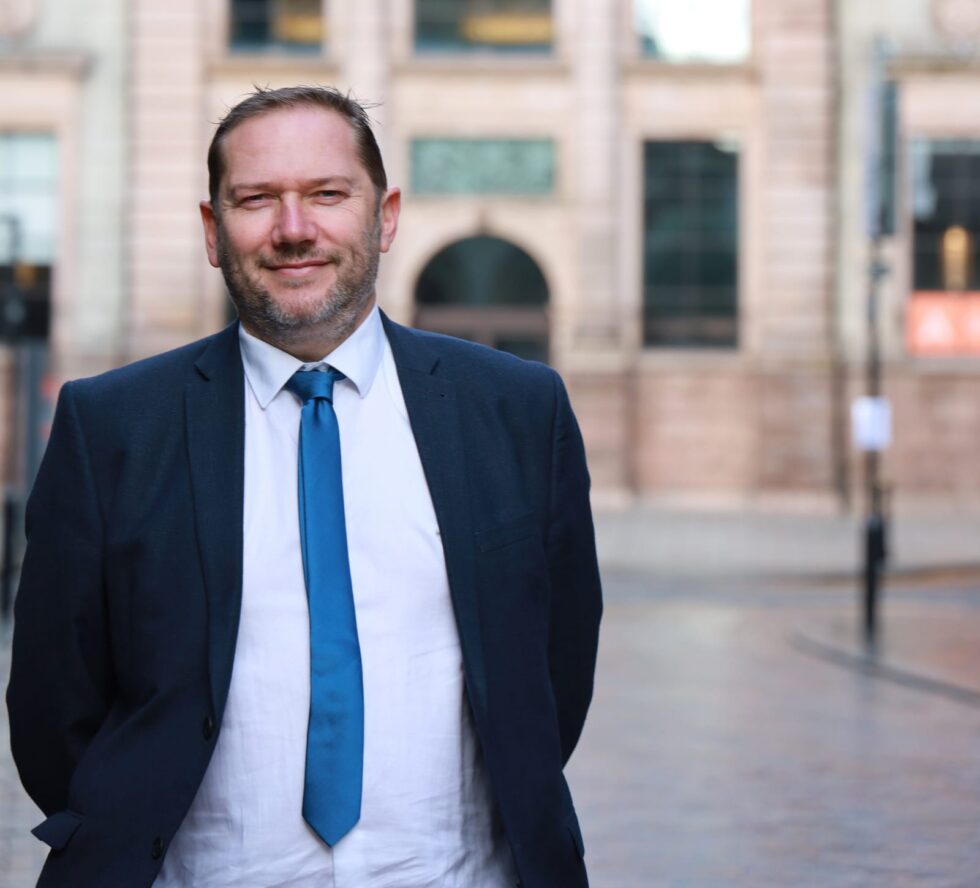
Jonathan Belford, Chief Finance Officer for Aberdeen City Council and interim Chief Finance Officer for the IJB, acknowledged the inherent risks of the approved budget. He stated that while the proposed budget was balanced, it “doesn’t come without any risk”. Mr Belford emphasised the necessity of gradually building up reserves for future emergencies and investment in services, a goal he noted “wouldn’t be possible in a single year, but could be achieved over time.” He further highlighted that many Integration Joint Boards across Scotland either lack reserves or have depleted them in recent years.
In Case You Missed it:
No related posts.
Councillor M Tauqeer Malik raised questions about the IJB’s ability to operate safely without financial reserves for a second year and the “realistic and deliverable” nature of the £14.5 million savings. Mr Belford conceded that he would “not sit here and tell the IJB members that £14.5million will be delivered precisely as it is written. I don’t expect that and I don’t expect that probably from any budget.”
He assured that monitoring would be rigorous, with plans to “find means to put them right and find ways to make them go our way” if necessary.
Fiona Mitchelhill, Chief Officer of the Aberdeen City Health and Social Care Partnership, expressed a strong desire to establish reserves to facilitate service transformation and provide a financial buffer. She added: “The last year has been about driving efficiencies and we’re in a much different place than where we were, continuing to do that and we welcome the challenge ahead.” The budget, set to take effect from April 1, was approved after extensive debate among board members.