New North Sea subsea project accelerates 55 billion cubic metres of gas, enhancing energy security and exceeding cost and schedule targets.
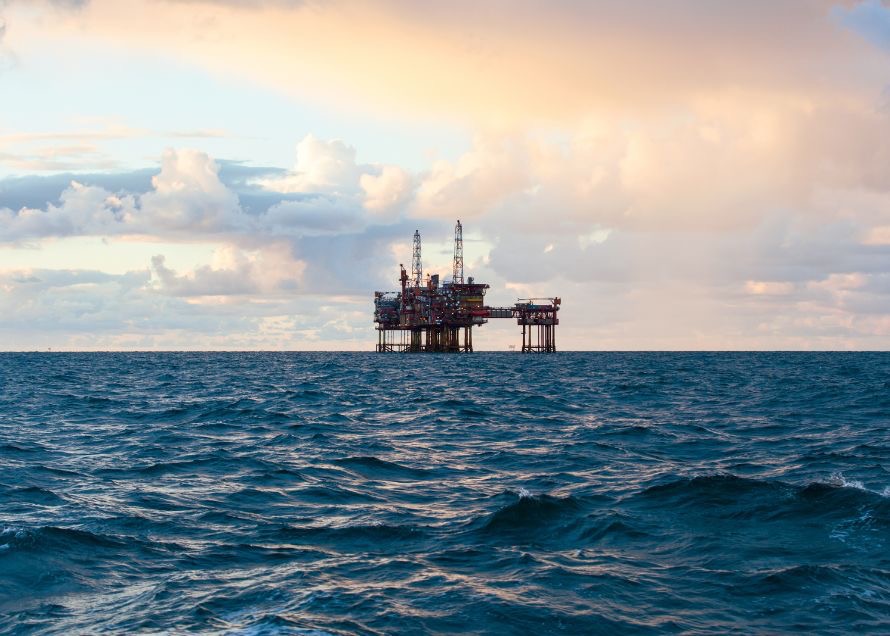
Equinor, the Norwegian state-owned energy giant, has commenced production from its Troll Phase 3 Stage 2 subsea project in the North Sea, ahead of schedule and significantly under budget. The new development, which began operations on 22 August 2026, is set to deliver an additional 55 billion standard cubic metres (scm) of gas from the Troll West reservoir, bolstering Europe’s energy supply.
This substantial volume of gas is equivalent to nearly two years of France’s current natural gas demand, highlighting the project’s critical role in the European energy landscape. The accelerated production from the Troll A platform and the Kollsnes processing plant, which celebrates its 30th anniversary this year, is expected to safeguard jobs, drive value creation, and maintain high gas deliveries to Europe.
The Troll field stands as the cornerstone of Norwegian gas production, holding approximately 40% of the gas reserves on the Norwegian Continental Shelf (NCS). Gas from Troll alone supplies an estimated 10-11% of Europe’s total demand. Norway has become Europe’s largest natural gas supplier, particularly following the reduction in Russian deliveries since the 2022 invasion of Ukraine, providing over 30% of the combined gas consumption for the EU and the UK in 2025. Projects like Troll Phase 3 Stage 2 are thus vital for reinforcing the continent’s energy security.
“Troll is the backbone of Norwegian gas exports to Europe. This project accelerates production from the reservoir, helping maintain today’s high level of gas exports from Troll and Kollsnes for as long as possible,” stated Lill Harriet Brusdal, vice president for Troll and Kvitebjørn. She further emphasised the environmental benefits, noting: “With both Troll A and the Kollsnes gas plant powered by electricity from shore, the gas is produced with very low emissions.” This electrification strategy aligns with broader industry efforts to reduce the carbon footprint of offshore operations, with similar initiatives on Troll B and C platforms having already cut CO2 emissions by approximately 90,000 tonnes in 2024.
The project, initially slated for startup towards the end of 2026 with an estimated cost of NOK 12.3 billion (approximately £969 million), has been praised for its efficient execution. Trond Bokn, senior vice president for project development in Equinor, remarked: “We start production with excellent HSE results, ahead of schedule and several hundred million Norwegian kroner below the cost estimate. The main reasons are efficient marine operations and a highly efficient drilling campaign, which was completed 25 per cent faster than planned.”
The Troll Phase 3 Stage 2 project builds upon the existing subsea infrastructure of the Troll Phase 3 development, which first came online in 2021. This approach, leveraging reused designs and standardised solutions, has been instrumental in reducing both execution time and costs, setting a precedent for future subsea projects.
The extensive development involved an eight-well drilling campaign, completed in a rapid five and a half months by Odfjell Drilling’s Deepsea Aberdeen rig, with support from SLB and Baker Hughes. Key infrastructure components included templates and manifolds fabricated by Aker Solutions in Egersund for main supplier OneSubsea and installed by Ocean Installer. A 28-kilometre, 36-inch pipeline was laid by the world’s largest pipelay vessel, Pioneering Spirit, with line pipe stored in Stord. Randaberg Industries supplied critical spools and pipeline end terminations, while Aker Solutions carried out modifications on the monumental Troll A platform.
In Case You Missed it:


This project has generated significant positive ripple effects across Norway, contributing to the maintenance of secure gas deliveries to Europe, supporting local employment, and generating substantial revenues for society. More than 90% of the profits derived from the Troll field flow directly to the Norwegian state through taxes and its direct ownership stake managed by Petoro. Petoro AS is a wholly state-owned company responsible for managing Norway’s direct financial interests in oil and gas assets on the NCS, ensuring maximum value and income for the state.
The Troll field’s history of development has progressed through distinct phases: Phase 1 tapped into gas reserves in Troll East, leading to the establishment of Troll A and the Kollsnes gas plant. Phase 2 focused on oil production in Troll West, adding the Troll B and C platforms. Phase 3, now further enhanced by Stage 2, targets the gas cap situated above the oil column in Troll West. With future projects like the Troll West Increased Gas Recovery North (TWIN) also planned, the commitment to long-term gas production from this vital North Sea asset remains firm.