The Institute of Chartered Accountants of Scotland (ICAS) has urged the Scottish Government to translate its ambitious Programme for Government 2026/27 into concrete delivery, warning that the nation’s economic growth has been “too low for too long”. The call comes as First Minister John Swinney unveiled a wide-ranging package of reforms, prioritising child poverty eradication, economic growth, climate action, and stronger public services.
Accountancy Body Challenges Implementation Gaps in Economic Growth and Public Service Overhaul
ICAS’s chief executive, Gail Boag, emphasised the critical need for actionable plans to underpin the government’s stated objectives. “We agree with the First Minister that Scotland’s economic growth has been ‘too low for too long’. Addressing that challenge needs more than ambition alone. The priority now must be delivery,” Boag stated. She acknowledged the commitment to meaningful public service reform as positive, but stressed that “bold promises must now be backed by clear plans for delivery and improved outcomes for citizens.”
Economic Backdrop and Business Sentiment
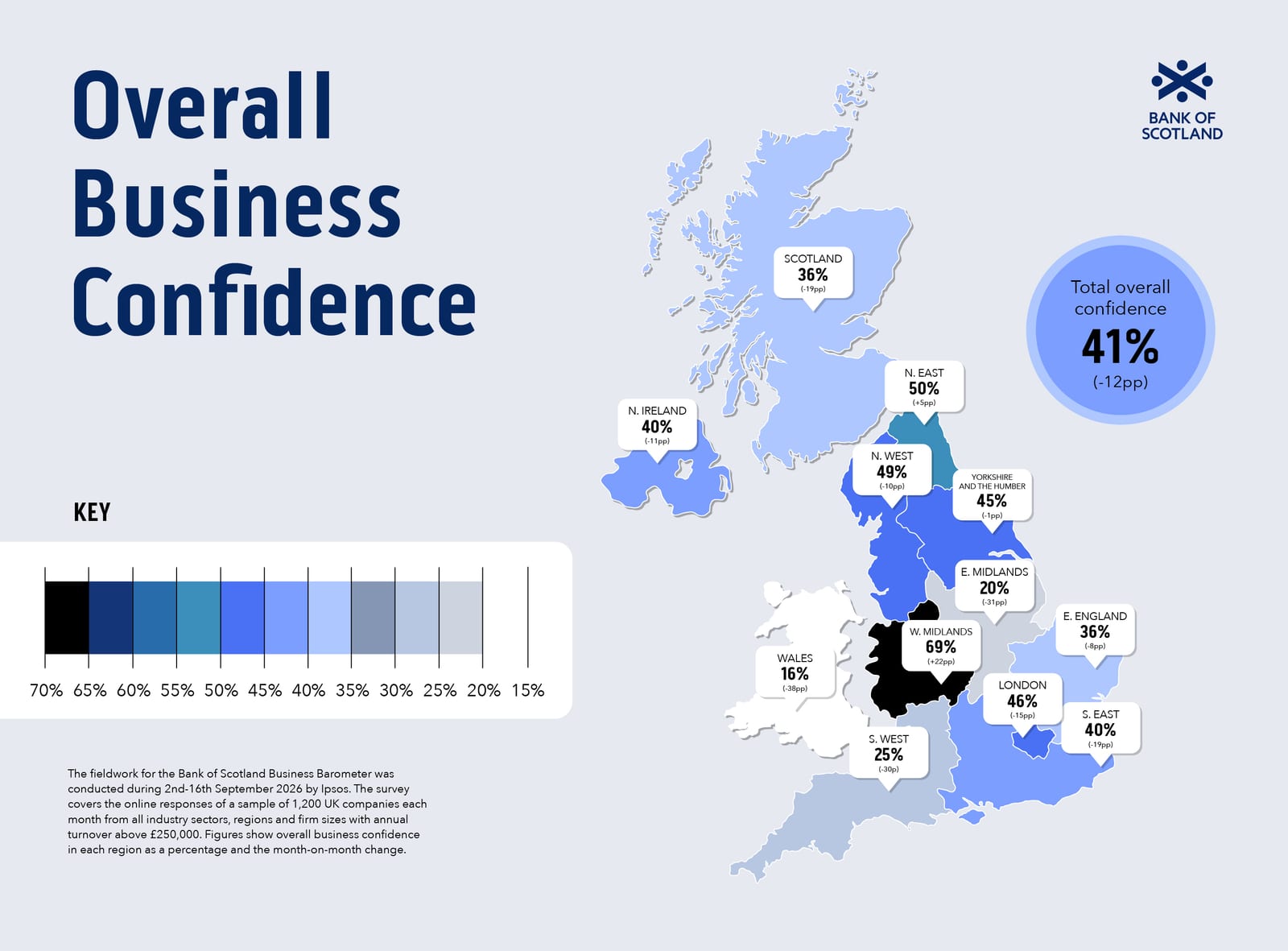
The Programme for Government emerges against a challenging economic backdrop. Scotland’s economy grew by 1.4% in 2025, an improvement from 1.1% in 2024, largely driven by the services sector. However, projections for 2026 anticipate a slowdown to 0.8%, influenced by global headwinds such as the conflict in Iran, rising energy prices, and increased investment uncertainty. While the Scottish Government highlights a faster GDP per person growth since 2007 compared to the UK, and more than double the UK average in productivity growth, business confidence remains subdued. A February 2026 poll by ICAS revealed that almost 78% of chartered accountants lacked confidence in the Scottish economy, with only 6% expressing optimism.
Boag underscored the broader sentiment, stating: “The First Minister is right to identify economic growth as a priority, but the Programme for Government offered little detail on how that growth will be delivered. Scotland now needs sustained action to improve productivity, attract investment and create the right conditions for businesses to grow.” ICAS has consistently advocated for a long-term economic and tax strategy, expressing concerns that tax divergence could impact competitiveness and investment.
Radical Public Service and Local Government Reform
Central to Swinney’s agenda is a “radical reshaping” of Scotland’s public services, including a significant restructuring of NHS Scotland. The existing 14 territorial health boards are set to be replaced by two strategic health boards, a move intended to streamline administration, free up clinical capacity, and improve access to treatment. The government also plans a wider review of public services to eliminate duplication and foster a decisive shift towards prevention and early intervention, with a Public Service Renewal (Scotland) Bill forming part of the legislative programme.
However, these reforms are not without their critics. GMB Scotland has voiced concerns over planned efficiency savings – an annual target of £500 million and a 0.5% public sector workforce reduction, potentially leading to 20,000 job cuts – warning these could “sabotage” lifeline services. The union stressed that “successive rounds of savings will not produce services that are fit for the future.” Think tank IPPR Scotland also cautioned that while ambitious, the plans lack a credible implementation strategy, noting that past mergers often underestimated costs and overestimated savings. The Scottish Council for Voluntary Organisations (SCVO) has also called for the voluntary sector to be recognised as a key partner in service design and delivery, rather than just implementation.
Local government is also in the firing line for reform. First Minister Swinney acknowledged that “some of our councils are too small to be strategic and some are too big to be local.” He announced a three-month period of “intensive engagement” with local authorities and other stakeholders to develop a new structure, expressing an openness to devolving new powers. This discussion echoes previous calls, with the Scottish Greens, for example, proposing a return to a two-tier system of district and regional councils, arguing Scotland’s current 32-council model is an “international outlier” that struggles with both local accountability and strategic planning. Former SNP minister Kate Forbes has also previously advocated for breaking down larger councils to enhance local voices.
Boag commented on the potential impact of local government reform: “The plans announced to reshape local government have the potential to make a real impact on Scotland’s economic performance. Councils deliver many of the frontline services that underpin our economy, so robust consultation and engagement are essential to help make sure reform is sustainable, evidence-led, and delivers value for money.”
Boosting the Workforce: Childcare and Apprenticeships
The Programme for Government also includes measures aimed at strengthening Scotland’s workforce. Commitments include expanding access to childcare, making it “more, and more flexible… from nine months to the end of primary school.” Improved childcare access is a critical lever for economic participation. Research from the Scottish Women’s Budget Group (SWBG) in 2023 indicated that 65% of Scottish parents either leave the workforce or reduce their hours due to the cost or unavailability of childcare. Furthermore, IPPR Scotland modelling suggests that the existing 1,140 hours of funded childcare provision helps keep around 10,000 people above the poverty line, with two-thirds of parents indicating they would work more hours if further funded provision were available.
In the realm of skills development, the government is investing approximately £198 million in 2025-26 to support apprenticeships, aiming for 25,500 new Modern Apprenticeships and over 39,000 currently in training. Apprenticeships are recognised as a robust pathway to high-value careers, offering significant economic returns. For every £1 of public investment in apprenticeships, the exchequer gains an estimated £4 to £5 in return, contributing to £1 billion of employer investment in skills. Studies show that 92% of Modern Apprentices remain in employment after qualifying, and 96% of employers report improved job performance and productivity among apprentices. Moreover, those completing Modern Apprenticeships can earn up to 52% more over their lifetime, with net benefits ranging from £65,000 to £84,000. The government is also moving to streamline Graduate Apprenticeship frameworks, shifting responsibility from Skills Development Scotland to the Scottish Funding Council to enhance responsiveness to business needs.
In Case You Missed it:
 Scottish Government faces over 10,400 objections to 70-mile pylon scheme ahead of public inquiry
 Swinney calls for greater Scottish control over energy as bills rise by 13%
 SFHA calls for earlier role for housing associations in Section 75 deals
 Scottish Government to review business rates as vape shops face relief removal
Boag concluded: “There were also optimistic steps put towards tackling some of the barriers holding back Scotland’s workforce. Better access to childcare can help more parents return to work, while stronger apprenticeship pathways can open up high-value careers and give employers access to the skills they need. Both matter if we are serious about raising participation and productivity.”
The success of the Programme for Government will ultimately hinge on the detailed execution of its ambitious proposals and the government’s ability to foster genuine collaboration across sectors to address Scotland’s persistent economic challenges.