The River Dee has been granted a significant £500,000 funding injection from the Scottish Government’s Just Transition Fund to combat biodiversity loss and the escalating impacts of climate change. The funding, successfully secured by the River Dee Trust, is earmarked for the “Save the Spring” programme, a long-term initiative focused on restoring the river’s wild fish populations over two decades.
The River Dee, which stretches approximately 85 to 90 miles from the Cairngorm Mountains to the North Sea at Aberdeen, is a critical natural asset, recognised for its importance to Atlantic salmon, freshwater pearl mussels, and Eurasian otters. Its significance has been further highlighted by NatureScot, Scotland’s national nature agency, which has designated it as a national exemplar site for enhancing the country’s biodiversity and addressing climate concerns.
The Scottish Government’s Just Transition Fund, a £500 million, ten-year commitment, aims to support regions like North East and Moray in transitioning to a net-zero economy by 2045, promoting green job creation and community benefits.
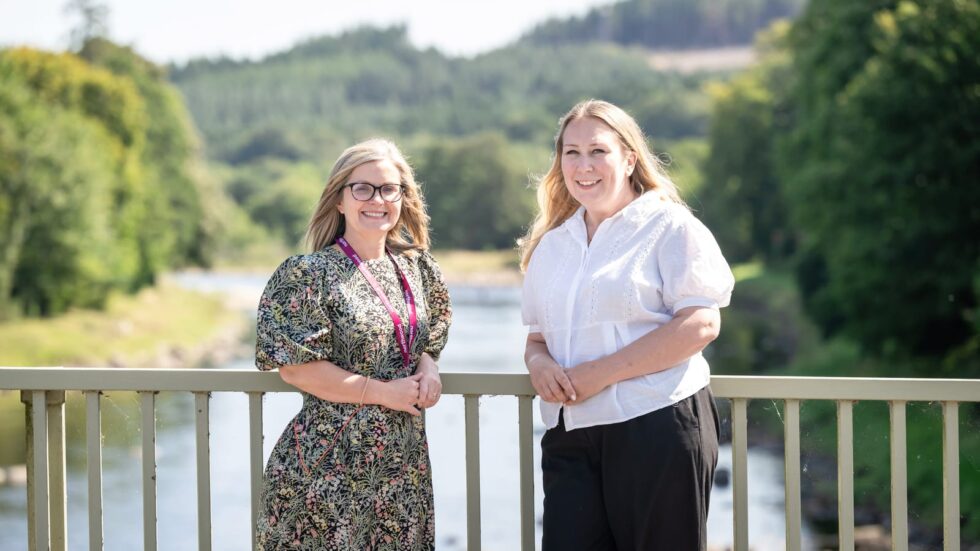
Sandy Bremner, Chair of the River Dee Trust, expressed enthusiasm for the timely investment:
“This is brilliant news and the timing couldn’t be better. The river has been subjected to catastrophic floods, dangerously high water temperatures and near drought conditions over recent years, with projections of worse to come. Precious species are under threat and our communities and businesses are facing multiple impacts.”
Research indicates that temperatures in parts of the River Dee have risen by 1.5°C over the past 30 years, contributing to a significant decline in spring salmon populations.
The “Save the Spring” programme, launched in 2023, is a comprehensive 20-year project. It operates in partnership with the Dee District Salmon Fishery Board and the Atlantic Salmon Trust, integrating landscape-scale habitat restoration with scientific wild fish repopulation strategies. This multi-faceted approach seeks to enhance the river’s resilience against the increasing frequency and severity of floods, droughts, and rising temperatures, which pose significant threats to aquatic ecosystems.
In Case You Missed it:



A key component of the funding will also facilitate educational initiatives and community involvement, encouraging local residents to engage actively in the restoration efforts. Volunteer programmes are set to expand, supporting the ongoing work to revitalise the river and its surrounding environment.
Bremner further added, “This funding will help us ramp up delivery of the pioneering, landscape-scale work we are already producing with our partners.”
She concluded by emphasising the critical juncture for action: “We are now at a critical moment. With the active support of landowners and managers, along with increased public engagement we have a golden opportunity to deliver for people and nature.”