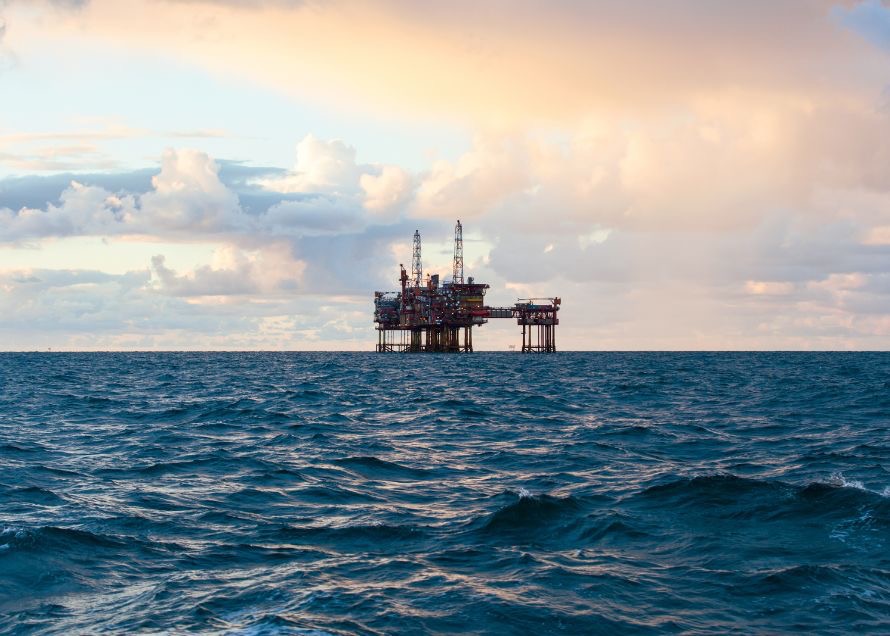
Spirit Energy, a prominent UK-based energy company, has successfully concluded a significant £40 million decommissioning campaign in the UK Southern North Sea, setting a new precedent for asset retirement and circular economy efforts. The operation, executed between April and July 2026, involved the removal of more than 234 tonnes of subsea infrastructure, with all recovered materials earmarked for 100 per cent recycling or reuse at UK processing facilities.
Majority-owned by Centrica plc, Spirit Energy’s strategic focus encompasses responsibly managing its decommissioning obligations alongside pursuing energy transition opportunities. This latest campaign underscores the company’s commitment as the North Sea basin grapples with an increasing number of ageing oil and gas assets reaching the end of their operational lives.
The extensive project centred on the plug and abandonment (P&A) of three subsea wells: the Seven Seas and Grove G5 production wells, and the Grove Deep exploration well. This complex undertaking saw over 114,000 hours of work and involved more than 30 UK supply chain partners. Key collaborators included DeepOcean, an ocean services provider specialising in subsea decommissioning, and Well-Safe Solutions, a firm renowned for its integrated well decommissioning expertise.
DeepOcean’s construction support vessel, the Edda Freya, was instrumental in the initial enabling works. At the Seven Seas field, approximately 60km off the East Yorkshire coast, the team successfully recovered a 100-tonne Wellhead Protection Structure. These structures are designed to protect subsea wellheads, which serve as crucial safety barriers, while also providing practical access for remote operations. The Edda Freya then relocated to the Grove G5 area, located 131km east of the Norfolk coast, where remotely operated vehicles (ROVs) were deployed to disconnect subsea infrastructure, preparing the wells for their subsequent abandonment phase. Following this, Well-Safe’s jack-up rig, the Well-Safe Protector, carried out reservoir abandonment activities at both Seven Seas and Grove G5 before returning to Aberdeen, a key hub for North Sea operations.
The Southern North Sea, a mature gas-producing basin with a complex geological history, presents unique challenges for offshore operations. Ceri Wheaton, Spirit Energy’s Decommissioning Manager, highlighted these difficulties, stating: “Some of the biggest challenges involved working with older infrastructure, alongside the Southern North Sea’s notoriously unpredictable weather.” She further emphasised the importance of seamless coordination: “It’s why close working across all of Spirit’s teams and with our contracting companies has been absolutely critical to this project’s success. We’ve had multiple vessels in the water at any one time, including tugs, a rig, a construction support vessel and ROVs, all while having to work together along with existing assets that are still in the field. Frequent and clear communication between onshore and offshore means that decisions can be made quickly leading to a safe and efficient campaign.”
Historically, the Seven Seas and Grove G5 wells played a vital role in the UK’s energy security, collectively producing 56 billion cubic feet of gas during their operational lifespans. This volume is sufficient to heat over 2.5 million homes for a year. To put this into context, the UK consumed approximately 2.2 trillion cubic feet (around 62.5 billion cubic metres) of natural gas in 2024, making the combined output of these two wells equivalent to roughly 2.5% of the nation’s annual gas consumption. Grove G5 produced gas from 2008 to 2019, while Seven Seas contributed to the national supply from 2012 until ceasing production in 2024.
This campaign aligns with the collaborative spirit and best practices promoted by the North Sea Transition Authority’s (NSTA) Decommissioning Charter. Spirit Energy is one of 17 UK operators that pledged support for the Charter, signed in August 2026. The NSTA, responsible for stewarding the UK’s oil and gas industry and its transition to net zero, developed the Charter to encourage shared data, expertise, and resources, aiming to streamline well decommissioning and achieve significant cost savings for both industry and taxpayers. The NSTA estimates that utilising vessels instead of rigs for certain wellhead removals could reduce the total cost by approximately 30%, translating to around £200 million in savings.
A standout feature of this project is the commitment to recycle or reuse 100 per cent of the recovered subsea materials within UK yards. This objective addresses a persistent challenge in the industry, where reported recycling rates can sometimes be misleading. While figures for materials brought ashore often appear high (e.g., 95-98%), studies have indicated that the overall sent-to-recycling rate for entire offshore platforms, including materials left in situ, can be less than 65%, and in some cases, as low as 5%. The discrepancy often arises because only materials recovered onshore are counted, and much of the recycling is performed overseas, leading to additional environmental impact. Spirit Energy’s rigorous focus on domestic processing of all recovered materials represents a significant step towards maximising resource efficiency and fostering a genuine circular economy within the UK supply chain.
In Case You Missed it:

Matt Browell-Hook, Spirit Energy’s Director of Energy Transition, Decommissioning and Projects, reiterated the industry’s evolving priorities. “Safely and efficiently decommissioning offshore infrastructure when it cannot be repurposed is a key focus for our industry, and our support for the NSTA’s decommissioning charter reflects our commitment to doing this work safely and efficiently,” he stated. He added, “It’s particularly pleasing that we are on course to recycle or reuse 100 per cent of the subsea materials recovered with the work to be carried out in UK yards. The campaign has been a great example of how operators and contracting companies can work together, and its success is testament to the hard work and expertise that exists right across the UK supply chain.”
The UK offshore decommissioning market is experiencing substantial growth. The NSTA estimates the total UK decommissioning cost to be between £40-45 billion, with well plugging and abandonment alone accounting for approximately 45% of these budgets. Projections indicate that the UK will spend roughly £15.3 billion on decommissioning over the next decade, with over 2,000 wells expected to be decommissioned by 2027 across the North Sea and West of Shetland regions. This rapidly expanding sector presents both challenges and opportunities, particularly in managing costs. These costs are partly offset by tax reliefs, which HMRC estimates could amount to between £10.8 billion and £21.8 billion in total tax relief over the lifetime of North Sea fields. These reliefs are a normal part of the corporate tax system, allowing companies to carry back decommissioning losses against past profits.
Beyond decommissioning, Spirit Energy is actively managing its broader energy transition strategy. This includes involvement in pioneering carbon capture and storage (CCS) projects, such as Morecambe Net Zero (MNZ). This initiative aims to repurpose the depleted North and South Morecambe gas fields in the East Irish Sea into one of the UK’s largest carbon storage hubs, with a potential capacity of up to 1 gigatonne of CO₂, supporting the decarbonisation of industries like cement and lime production and safeguarding thousands of jobs.