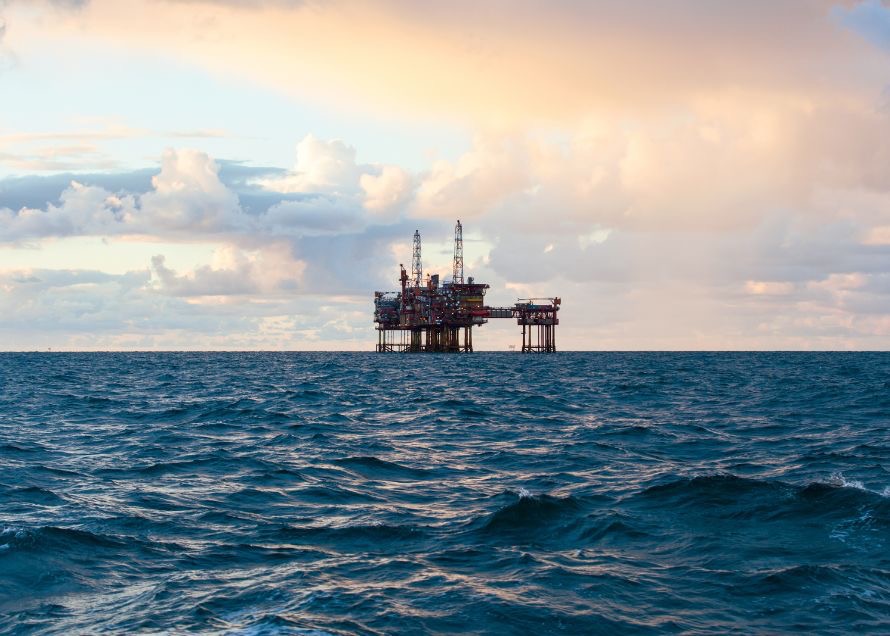
Scotland’s ambitious plans to transform its North Sea energy landscape into a hub for clean power are facing significant headwinds, as industry leaders warn against government proposals to abolish a crucial pollution tax.
The Carbon Price Support (CPS), a levy on carbon emissions from electricity generators, is slated for removal in April 2028, a move that energy sector representatives fear could undermine billions in future investment and expose UK businesses to substantial new costs from European tariffs.
A new analysis by Energy UK, the trade association representing over 100 companies across the UK energy sector, suggests that discontinuing the CPS could weaken the commercial case for investing in vital offshore wind projects and essential North Sea electricity grid connections. This comes at a pivotal moment, with Scotland poised to be a driving force in Britain’s renewable energy revolution.
Furthermore, the industry body cautions that removing Carbon Price Support could burden UK businesses with up to £10 billion in additional costs over the next decade.
This financial impact stems from the European Union’s Carbon Border Adjustment Mechanism (CBAM), which levies charges on imports from countries perceived to have weaker carbon pricing regimes.
Energy UK states that weakening the UK’s carbon pricing system could expose British exporters to these new liabilities, directly impacting the economic viability of critical energy infrastructure such as interconnectors, which are undersea cables facilitating electricity trade with Europe.
The Carbon Price Support, introduced in 2013, was designed as an additional charge, currently £18 per tonne of CO2, to bolster the carbon price signal provided by the UK Emissions Trading Scheme (ETS). Its primary objective was to incentivise a shift away from fossil fuels, particularly coal, in electricity generation. The government contends that the CPS has largely achieved its purpose, with coal-fired power stations all but eliminated from the UK’s energy mix, and therefore plans its abolition from 2028.
However, Energy UK argues that the consequences of this policy change could extend far beyond coal. The organisation’s analysis, seen by ministers, indicates that many energy companies have made long-term investment decisions based on the assumption of a stable carbon pricing system. Removing the CPS, they argue, would make gas-fired electricity generation cheaper, subsequently reducing wholesale energy prices. While seemingly beneficial for consumers, lower market prices would simultaneously diminish revenues for renewable energy projects, making them less attractive to investors.
The report warns: “Without the certainty of a strong carbon price in future, it is harder for businesses to make the investments.” It further highlights that “removing [carbon pricing] would remove a cost-effective and foundational pillar supporting investment in low-carbon technologies. Without a credible carbon price, the commercial case for investment in low-carbon technologies would be weakened.”
In Case You Missed it:

Scotland’s commitment to clean energy is robust, with aspirations to establish the North Sea as a leading centre for offshore wind, hydrogen, and carbon capture projects. The Scottish Government aims for a minimum installed capacity of 20 gigawatts (GW) of onshore wind by 2030, a figure that would represent approximately 70 per cent of the UK’s total onshore wind target. This ambitious trajectory, supported by significant offshore wind developments such as the 30GW ScotWind projects, underscores Scotland’s central role in the UK’s clean energy future.
Yet, industry leaders caution that this progress could be jeopardised by policy shifts that erode investor confidence. Energy UK asserts that abolishing carbon pricing would have “immediate and lasting damage to the UK’s decarbonisation trajectory and its attractiveness for non-fossil fuel investment.”